Can You Fly a Drone on Saona Island Rules, Permits & Travel Tips
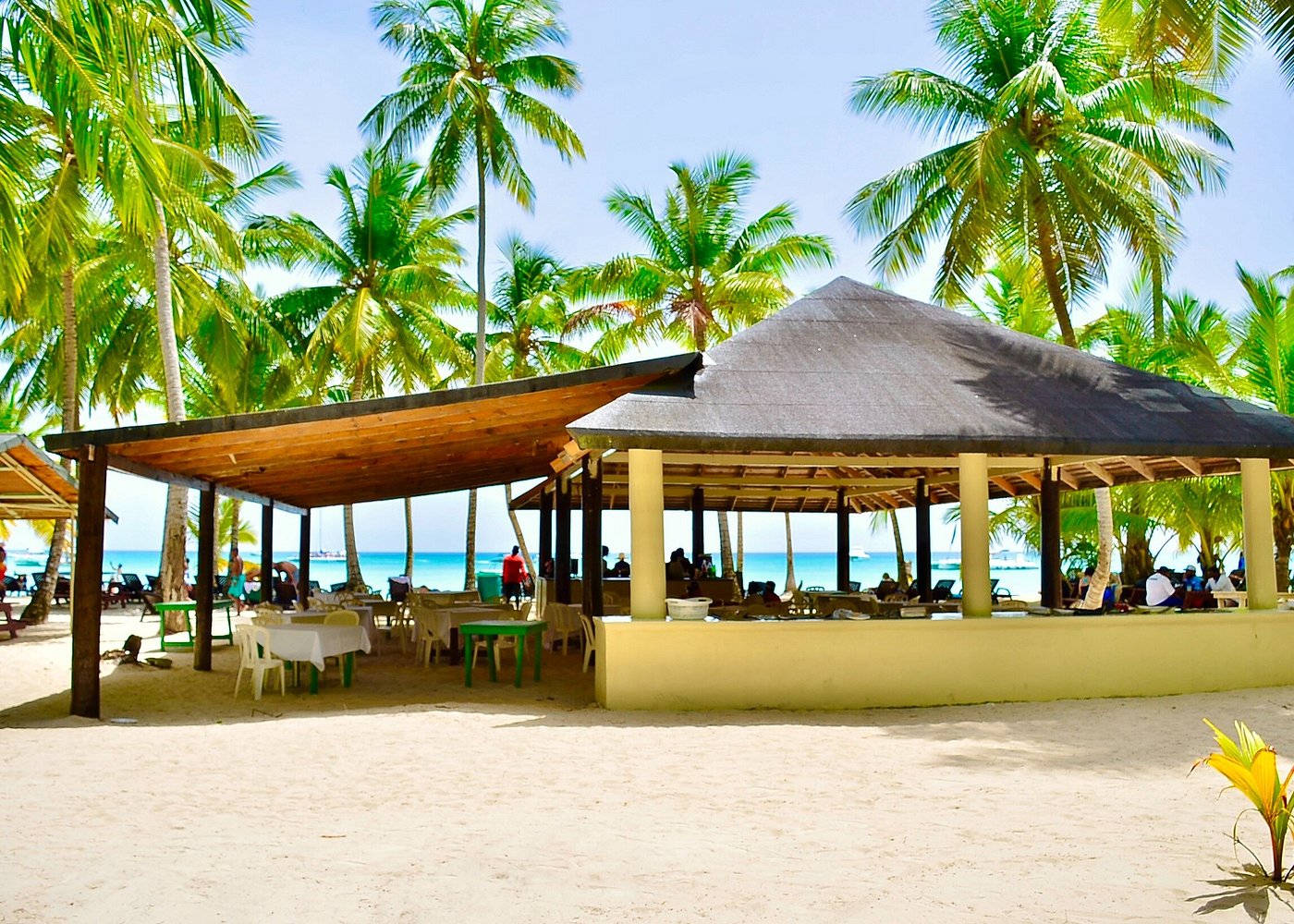
Saona Island is one of the most visually striking destinations in the Dominican Republic. Its turquoise water, white-sand beaches, palm trees and natural coastal landscapes make it an attractive location for aerial photography and drone videos.
If you are planning to bring a drone on your Caribbean holiday, you may be wondering: Can you fly a drone on Saona Island?
The answer requires more than checking whether your drone is small enough to carry in your luggage. Saona Island is associated with Cotubanamá National Park, and drone operations in the Dominican Republic are regulated by the Instituto Dominicano de Aviación Civil (IDAC).
You should check aviation requirements, protected-area rules and any location-specific restrictions before attempting to fly.
This guide explains what to investigate, how to prepare your equipment and how to avoid disturbing other visitors or the island's natural environment.
1. Is Drone Flying Allowed on Saona Island?
You should not assume that you can freely fly a drone over every beach on Saona Island.
Drone operations in the Dominican Republic are regulated by IDAC. Its current guidance explains the registration, operator licensing and authorization processes that apply to different types of drone operations.
Saona Island is also part of a protected natural setting associated with Cotubanamá National Park. Therefore, aviation compliance alone may not settle whether a particular location or activity is permitted.
Before travelling, contact IDAC and the relevant environmental or protected-area authority. Explain exactly where you intend to fly and what you want to do.
A drone that is legally carried into the country is not automatically authorized to fly over every beach, village, boat or protected location.
2. Which Authority Regulates Drones in the Dominican Republic?
The main civil aviation authority responsible for drone regulation is:
Instituto Dominicano de Aviación Civil (IDAC)
IDAC provides information about drone registration, remote-pilot licensing, operating requirements and special permissions.
Its official drone information portal is:
https://www.idac.gob.do/drone/
The authority also provides a dedicated section for sUAS and drone operations:
https://www.idac.gob.do/es/operaciones-suas-drones/
These official resources should be your starting point when planning a drone flight in the Dominican Republic.
3. Does Your Drone Need to Be Registered?
Drone weight is an important part of the Dominican Republic's current regulatory guidance.
IDAC identifies 0.25 kg (250 grams) as an important threshold for registration requirements.
Its published information states that drones weighing 0.25 kg or more must be registered, and its current licensing guidance also identifies requirements for remote pilots operating drones above the applicable threshold.
Requirements may also depend on the operation, the aircraft and whether the flight is recreational or commercial.
Before travelling, check the current rules for your exact drone model and weight.
Do not rely only on an old travel blog or a general statement that all small drones are exempt.
4. Do You Need Special Permission to Fly on Saona Island?
This is one of the most important questions to resolve before your trip.
IDAC provides a special authorization process for operations in prohibited or restricted locations, commercial activities and operations requiring a deviation from the standard rules.
Its published process refers to Form IDAC 1500-9 and supporting documents.
The application may require information such as:
- The intended flight location.
- A map or satellite image showing the coordinates.
- The planned operating area.
- Details of the drone and operator.
- The nature of the proposed operation.
- Relevant registration, licence or insurance documents, where applicable.
Because Saona Island is within a protected natural area, you should also ask the Ministry of Environment and Natural Resources whether separate environmental or park authorization is required for your proposed flight.
Important: Do not assume that permission from a boat operator, hotel or tour guide replaces official aviation or environmental authorization.
5. Recreational vs. Commercial Drone Photography
Your intended use may affect the permissions you need.
Recreational drone flying
Recreational flying means using your drone for personal enjoyment or private travel footage.
For example, you may want to capture:
- Aerial views of the coastline.
- Your own travel group on the beach.
- Palm trees and tropical scenery.
- The boat journey, where authorized.
- General landscape footage.
Even if you are not earning money from the footage, you must still comply with applicable aviation and location-specific rules.
Commercial drone operations
Commercial operations may involve producing footage for a tourism company, hotel, advertising campaign, website or paid client.
This type of activity may require additional authorization.
If you intend to create promotional footage for a tour operator or business, explain the commercial purpose when contacting IDAC and the environmental authority.
Do not assume that a recreational approval covers commercial filming.
6. Can You Fly a Drone Over Saona Island Beaches?
A beach may look like an ideal place to launch a drone, but the presence of other people creates safety and privacy concerns.
Popular beach areas can be crowded with visitors, boats and excursion groups.
Before considering any flight, confirm that the location is authorized and assess the surroundings.
Avoid flying close to:
- People relaxing on the beach.
- Children playing near the water.
- Boats carrying passengers.
- Other aircraft.
- Wildlife.
- Buildings and private property.
Never use a crowded beach as an informal launch site without checking the applicable rules and obtaining any required permission.
7. Drone Flying Near Wildlife and Marine Areas
Saona Island is known for its coastal habitats and marine environment.
A drone can disturb birds and other wildlife, particularly when it flies too close, repeatedly circles an animal or makes sudden movements.
Use these responsible practices:
- Keep a respectful distance from wildlife.
- Never chase birds or other animals with a drone.
- Avoid flying over sensitive nesting or breeding areas.
- Do not use a drone to approach marine animals.
- Stop the flight if wildlife shows signs of disturbance.
- Follow instructions from park personnel.
Aerial footage is not worth disturbing the natural environment.
8. Can You Fly a Drone Near Boats?
Saona Island excursions commonly involve speedboats and catamarans.
You may want to capture an aerial view of your boat travelling across the Caribbean Sea. However, flying near passenger vessels introduces additional risks.
A drone can distract passengers, interfere with operations or fall into the water.
Before considering a flight near a boat:
- Ask the boat operator whether drone use is allowed.
- Obtain any required official authorization.
- Never launch or land while the vessel is moving unless the operation has been specifically assessed and authorized.
- Keep clear of passengers and crew.
- Do not interfere with the captain's work.
- Secure the drone during rough water or unsafe conditions.
The boat operator's approval is a practical safety requirement, but it does not replace any legal authorization.
9. What Drone Equipment Should You Bring?
If your proposed flight is authorized, prepare your equipment before leaving for the excursion.
Consider packing:
- Your drone and controller.
- Fully charged batteries.
- A suitable battery case.
- Spare propellers.
- A microSD card.
- A lens-cleaning cloth.
- A compact carrying case.
- A landing pad, if appropriate and permitted.
- A power bank for compatible equipment.
Salt spray, sand and moisture can affect electronic equipment.
Keep the drone protected when it is not in use. Avoid placing it directly on wet sand, and inspect it after exposure to salty air.
10. Practical Drone Safety Tips for Saona Island
Even when a flight is authorized, safe operation remains essential.
Maintain visual contact
Keep the drone within your direct visual line of sight and follow the applicable operating limits.
Check the weather
Strong winds, rain and changing coastal conditions can make flying unsafe.
Monitor your battery
Do not plan a flight that uses nearly all available battery power. Keep enough reserve for a safe return and landing.
Avoid crowded areas
Choose only an authorized operating location where people and property will not be put at risk.
Check your return route
Before takeoff, consider where the drone can safely land if conditions change.
Follow official instructions
If park personnel, aviation authorities or other authorized officials tell you to stop, land the drone safely and follow their instructions.
11. What If You Cannot Get Permission?
If you cannot confirm that drone flying is permitted at your intended location, do not take the risk.
You can still capture beautiful Saona Island memories using:
- A smartphone camera.
- A waterproof action camera.
- A mirrorless or DSLR camera.
- A compact travel camera.
- A telephoto lens for distant scenery.
These alternatives can produce excellent photographs without requiring an aerial flight.
You can also ask your tour operator whether it has authorized aerial footage available for visitors.
12. How to Check Drone Rules Before Your Trip
Use this preparation process before travelling to the Dominican Republic.
Step 1: Identify your drone
Write down the exact model, weight and serial number.
Step 2: Check IDAC requirements
Visit the official IDAC drone portal and identify the rules that apply to your equipment and intended operation.
Step 3: Describe your planned flight
Prepare the intended location, coordinates, dates, flight purpose and operating details.
Step 4: Contact the relevant authorities
Ask IDAC about aviation authorization and ask the Ministry of Environment and Natural Resources about any protected-area requirements.
Step 5: Confirm with your tour operator
Explain that you intend to bring a drone and ask whether the operator permits its use during the excursion.
Step 6: Keep written confirmation
Save any approvals, correspondence and relevant documents so you can refer to them during your trip.
Frequently Asked Questions
Can tourists bring drones to the Dominican Republic?
Tourists should check current IDAC requirements before travelling. Bringing a drone into the country and receiving permission to operate it are separate considerations.
Can I fly a DJI Mini on Saona Island?
A DJI Mini's weight may place it below certain registration thresholds, depending on the exact model. However, a lightweight drone is not automatically allowed to fly in a protected area. Check the current IDAC rules and location-specific requirements.
Do I need permission to fly a drone in Cotubanamá National Park?
You should obtain confirmation from IDAC and the Ministry of Environment and Natural Resources before attempting a flight. Ask specifically about your intended location and recreational or commercial purpose.
Can I fly a drone over the natural pool at Saona Island?
Do not assume that drone flights are permitted at the natural pool. It can be a busy visitor location, and its protected-area status makes advance confirmation especially important.
Can I use a drone for commercial tourism videos?
Commercial drone operations may require additional authorization. Contact IDAC and the relevant environmental authority before filming for a business or client.
Can I fly my drone from a catamaran?
Only consider it if the operation is authorized and the boat operator has approved the safety arrangements. Never interfere with passengers or crew.
What happens if I fly without permission?
Unauthorized operations may lead to regulatory consequences. Check the applicable Dominican aviation rules rather than assuming that a short recreational flight is exempt.
Final Thoughts
Saona Island offers spectacular scenery for aerial photography, but bringing a drone does not automatically give you permission to fly.
The most important steps are to check your drone's weight and regulatory requirements, contact IDAC, clarify any protected-area authorization and coordinate with your tour operator.
Planning ahead can help you avoid unnecessary problems and protect the island's natural environment.
If you are preparing your visit, explore the travel information and excursion options at Saona Island Beach and plan your Caribbean experience responsibly.

Local explorer & expert guide in Saona Island Tours.


