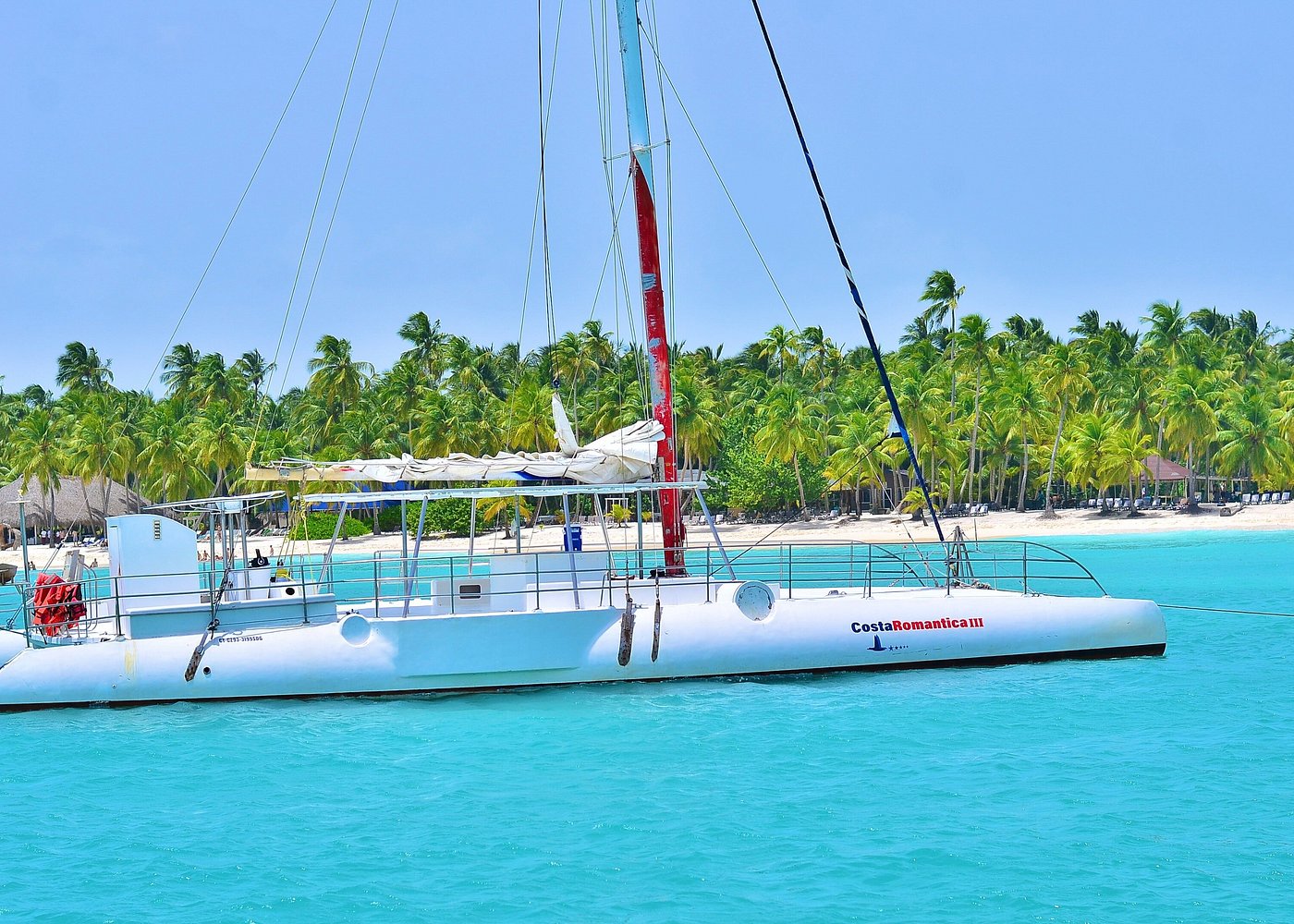
Saona Island Boat Safety: Safety Equipment, Briefings & Passenger Tips
A boat trip is an exciting part of visiting Saona Island in the Dominican Republic. Whether your excursion uses a speedboat, catamaran, or another type of vessel, traveling across the Caribbean Sea can be a memorable experience.
However, enjoying the journey also means paying attention to passenger safety. Before boarding, travelers should understand the basic safety instructions, know where essential equipment is located, and follow the crew's guidance throughout the trip.
This Saona Island boat safety guide explains what to check before departure, which safety equipment matters, and how to behave during a boat excursion.
Why Is Boat Safety Important on a Saona Island Tour?
Boat transportation is an important part of many Saona Island excursions. Passengers may travel from a mainland departure point to the island and return by boat later in the day.
Sea conditions can change, and different boats have different operating procedures. Even during a recreational excursion, passengers should take safety instructions seriously.
Good boat safety practices help travelers:
- Understand what to do during an unexpected situation.
- Know where safety equipment is located.
- Board and leave the vessel carefully.
- Avoid unsafe movement while the boat is moving.
- Follow the crew's instructions.
- Protect children and other passengers during the journey.
Safety is a shared responsibility between the operator, crew, and passengers.
1. Check for Life Jackets Before Boarding
Life jackets are among the most important pieces of safety equipment on a passenger boat.
Before departure, ask the crew where life jackets are stored and how to use them.
Check the following:
- Whether suitable life jackets are available for passengers.
- Whether children's sizes are available when needed.
- Whether the crew explains how to wear them correctly.
- Whether the jackets are accessible when required.
- Whether the crew provides instructions about when they should be worn.
Do not assume that a life jacket is suitable simply because it is available. It should fit the passenger properly and be used according to the crew's instructions.
If you are unsure how to put one on, ask for assistance before the boat departs.
2. Pay Attention to the Safety Briefing
A safety briefing is an important part of preparing passengers for a boat journey.
The crew should explain the basic procedures passengers need to follow during the trip.
A useful briefing may cover:
- Where life jackets are located.
- How to use safety equipment.
- Where passengers should sit.
- How to board and leave the boat.
- What to do if someone falls into the water.
- How to respond to instructions from the crew.
- Where to find emergency equipment.
Listen carefully even if you have travelled by boat many times before. Different vessels can have different layouts and procedures.
If an instruction is unclear, ask the crew to explain it again.
3. Look for Basic Emergency Equipment
Before departure, it is reasonable to ask whether the vessel has appropriate emergency equipment.
Depending on the vessel and its operation, relevant equipment may include:
- Life jackets or personal flotation devices.
- Emergency communication equipment.
- First-aid supplies.
- Fire extinguishers.
- Navigation equipment.
- Appropriate emergency signaling equipment.
The exact equipment carried can vary according to the vessel, route, and applicable requirements.
Passengers do not need to inspect or operate technical equipment themselves. The crew should be able to explain the relevant safety arrangements.
If you have serious concerns about the vessel's safety arrangements, discuss them with the operator before boarding.
4. Follow the Crew's Instructions
The crew is responsible for operating the vessel and guiding passengers during the journey.
Always follow instructions about seating, movement, boarding, and disembarking.
For example:
- Remain seated when instructed.
- Hold the available handrails when moving.
- Do not stand in restricted areas.
- Avoid distracting the boat operator.
- Do not lean over the side of the vessel.
- Keep walkways and exits clear.
- Follow instructions during transfers between boats and beaches.
Do not move around simply to take photographs while the vessel is moving. Ask the crew when it is safe to change position.
5. Board and Leave the Boat Carefully
Boarding and disembarking can require extra attention, especially when the boat is moving slightly with the waves.
Follow these basic precautions:
- Wait until the crew tells you to board.
- Use the designated boarding area.
- Hold the handrail or another secure support.
- Keep your personal belongings under control.
- Avoid pushing or rushing other passengers.
- Follow the crew's instructions when stepping onto the dock or beach.
Be especially careful when transferring between a larger boat and a smaller vessel.
If you have difficulty balancing or need assistance, tell the crew before attempting to board.
6. Choose Your Seat Sensibly
Passenger seating arrangements depend on the vessel and its operating procedures.
Do not choose a seat simply because it offers the best view. Follow the crew's seating instructions and remain in the designated passenger areas.
Consider these points:
- Keep away from restricted operating areas.
- Do not sit on railings or unsafe surfaces.
- Avoid blocking access routes.
- Keep children seated and supervised.
- Use available handholds when necessary.
- Do not change seats while the boat is moving unless permitted.
A comfortable seat is important, but following the boat's safety arrangements is more important.
7. Keep Children Safe During the Boat Journey
Families traveling with children should pay particular attention to boat safety.
Before booking, ask the operator about child passenger arrangements and suitable life jackets.
During the journey:
- Keep children under responsible adult supervision.
- Follow the crew's seating instructions.
- Make sure children use suitable safety equipment.
- Do not allow children to move around without permission.
- Keep them away from restricted areas.
- Explain simple safety rules before boarding.
Never assume that an adult-sized life jacket will fit a child properly.
If you are traveling with a very young child, confirm the operator's age and safety requirements before booking.
8. Protect Your Belongings Without Creating a Safety Risk
Phones, cameras, bags, and other personal items can become distractions during boarding and travel.
Keep your belongings secure and avoid placing them where they can block walkways or emergency access.
Useful precautions include:
- Use a waterproof pouch for electronic devices.
- Keep bags in designated storage areas.
- Avoid carrying unnecessary items.
- Secure loose accessories.
- Do not lean over the boat to retrieve dropped objects.
- Tell the crew if something falls into the water.
Never attempt to recover a dropped item by climbing over a railing or entering the water without authorization.
9. Understand Weather and Sea Conditions
Weather and sea conditions can affect boat journeys.
Wind, waves, rain, and visibility may influence the operator's decision about departure times or routes.
Before your excursion:
- Check the forecast.
- Follow any departure updates from the operator.
- Ask whether the route may change because of conditions.
- Respect decisions to delay or cancel a journey.
- Follow instructions if the crew changes the itinerary.
Do not pressure the crew to continue a journey when they have safety concerns.
The operator is responsible for assessing whether the vessel should depart or continue under the prevailing conditions.
10. What Should You Do in an Emergency?
The most important thing during an emergency is to remain as calm as possible and follow the crew's instructions.
If an unexpected situation occurs:
- Listen carefully to the crew.
- Put on a life jacket when instructed.
- Move only when directed.
- Keep emergency exits and walkways clear.
- Do not jump into the water unless instructed or necessary to escape immediate danger.
- Help children or passengers who need assistance when it is safe to do so.
- Avoid spreading unverified information among passengers.
If someone falls into the water, alert the crew immediately. Do not jump in after them unless you are specifically trained and it is safe to do so. Follow the crew's rescue instructions.
Questions to Ask Before Booking a Saona Island Boat Tour
You do not need to ask dozens of questions, but a few safety-related questions can help you understand the operator's arrangements.
Consider asking:
- Are suitable life jackets available for every passenger?
- Are child-sized life jackets available if needed?
- Does the crew provide a safety briefing before departure?
- What type of boat will be used?
- What happens if weather or sea conditions become unsuitable?
- What assistance is available for passengers who need help boarding?
- Is there a clear emergency communication arrangement?
A responsible operator should be able to explain its passenger safety procedures clearly.
Common Boat Safety Mistakes to Avoid
Even experienced travelers can make mistakes during a recreational boat trip.
Ignoring the safety briefing
Do not assume that previous boat experience means you already know every procedure.
Standing while the boat is moving
Standing or walking without permission can increase the risk of losing balance.
Using an unsuitable life jacket
A flotation device must be appropriate for the passenger and fitted correctly.
Distracting the operator
Avoid shouting, unnecessary interruptions, or approaching the operating area.
Letting children move freely
Children should remain supervised and follow the crew's instructions.
Ignoring weather updates
A change in sea conditions can affect the journey. Listen to the operator's updates.
Trying to retrieve dropped belongings
Never put yourself at risk to recover a phone, camera, or other object.
Boat Safety Checklist Before Your Saona Island Excursion
Use this checklist before boarding:
- Confirm the boat operator and departure arrangements.
- Ask where life jackets are located.
- Check that suitable life jackets are available for your group.
- Listen to the safety briefing.
- Understand the boarding and disembarking procedure.
- Keep children supervised.
- Secure bags and electronic devices.
- Follow seating instructions.
- Check weather and departure updates.
- Follow the crew's instructions throughout the journey.
Frequently Asked Questions
Are life jackets available on Saona Island tours?
Availability and arrangements depend on the vessel and operator. Ask your tour provider to confirm that suitable life jackets are available for all passengers before booking.
Should I wear a life jacket during the entire boat journey?
Follow the operator's instructions and the applicable safety requirements. If the crew instructs passengers to wear life jackets, do so correctly.
Do Saona Island boat tours provide safety briefings?
Safety procedures can vary between operators. Ask whether a passenger safety briefing is provided before departure.
Is a speedboat or catamaran safer?
Safety cannot be determined by the boat type alone. It also depends on vessel condition, passenger capacity, crew training, weather, and operating practices.
Can children travel safely on a Saona Island boat tour?
Children may be able to join suitable excursions, but parents should confirm age requirements, child-sized flotation equipment, and supervision arrangements before booking.
What should I do if the sea becomes rough?
Remain seated if instructed, follow the crew's guidance, and use the provided safety equipment as directed. Do not move around unnecessarily.
What happens if the boat tour is cancelled because of unsafe weather?
Policies vary by operator. Check the booking terms for cancellation, rescheduling, and refund arrangements before confirming your reservation.
Should I inspect the boat before boarding?
You can make reasonable observations and ask questions about safety arrangements. The vessel's technical inspection and operation are the responsibility of qualified personnel and the relevant authorities.
Final Thoughts: Make Boat Safety Part of Your Saona Island Adventure
A Saona Island boat excursion can be an enjoyable part of your Dominican Republic holiday. Good preparation helps you travel with greater confidence and understand what to expect during the journey.
Before boarding, ask about life jackets, listen to the safety briefing, secure your belongings, and follow the crew's instructions.
Remember that boat safety is not only the responsibility of the operator. Passengers also play an important role by behaving responsibly and paying attention.
Planning a Saona Island excursion? Choose an operator that can clearly explain its passenger safety arrangements, vessel procedures, and response to changing sea conditions.

Local explorer & expert guide in Saona Island Tours.


